State Policy Analysis: Oversight Board Questions Disciplinary Dress Codes for Female Texas Inmates
Texas correctional policies regarding paper gowns for female inmates in administrative segregation spark internal review and legislative scrutiny.
Editorial disclaimer: Opinions and analysis on Keep TX Red are editorial content — not statements of fact. See our editorial standards.
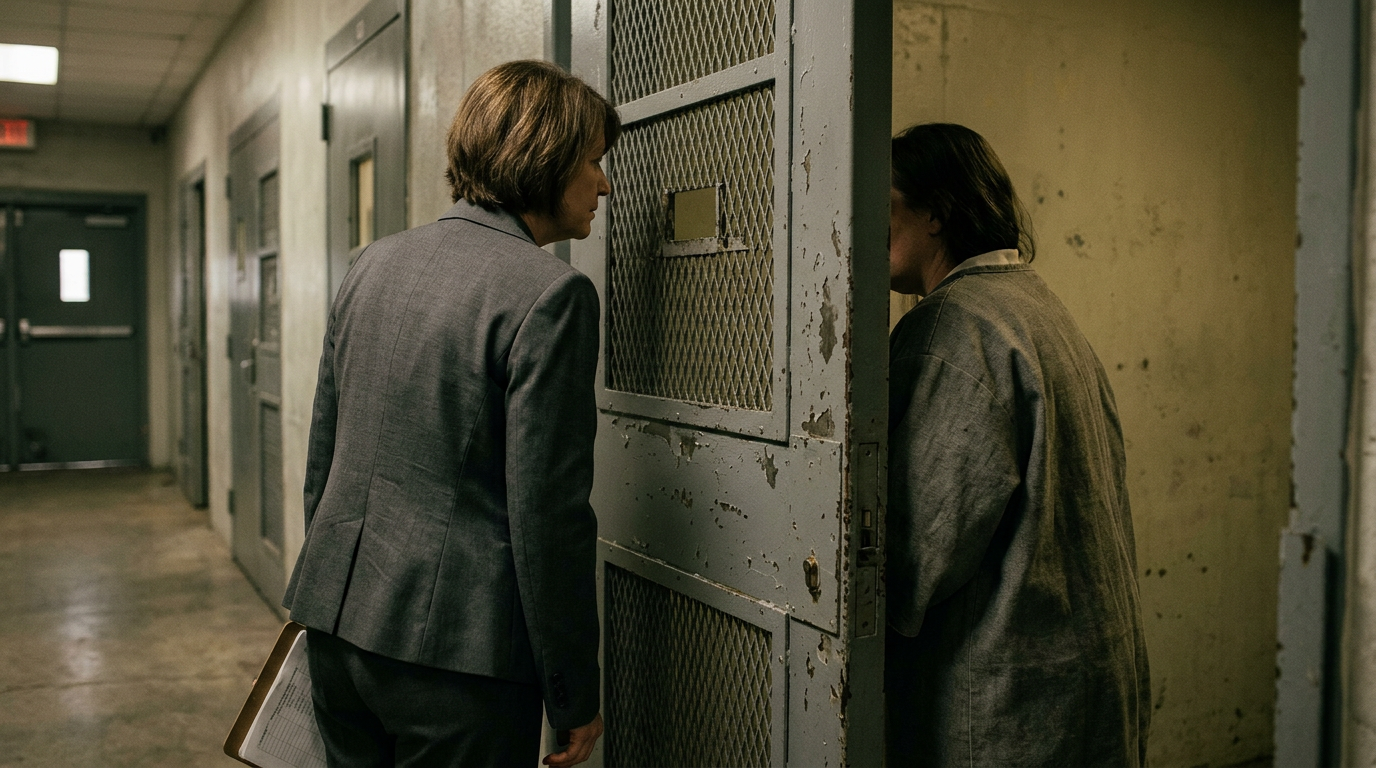
Recent architectural and policy audits within the Texas Department of Criminal Justice (TDCJ) have brought to light a specific disciplinary protocol affecting women in high-security settings. Historically, the management of the Texas prison system has relied on various forms of restrictive housing to maintain order. In certain female-designated facilities, inmates placed in restrictive housing—often referred to as solitary confinement or administrative segregation—have been required to wear heavy paper gowns instead of standard prison uniforms. This practice has traditionally been justified by administrators as a safety measure intended to prevent self-harm or the concealment of contraband during the initial transition into isolation. Contextually, Texas has a long history of grappling with the balance between inmate safety and institutional standards. During the late 20th century, legal challenges such as Ruiz v. Estelle forced the state to overhaul its treatment of prisoners. While many reforms focused on overcrowding and medical care, the internal regulation of clothing for those in solitary confinement remained an administrative prerogative. The use of paper gowns, while not unique to the Lone Star State, has faced renewed scrutiny as modern correctional standards shift toward more standardized psychological and physical wellness protocols.
Texas relevance
This issue is central to the governance of Texas state institutions and the fiscal management of the TDCJ, which operates the largest prison system in the United States. In Texas, state legislators and the Texas Board of Criminal Justice hold direct oversight over these facilities, making the internal conduct of units like the Lane Murray Unit or the Christina Melton Crain Unit a matter of state public policy. Changes to these regulations impacts thousands of state employees and tens of thousands of inmates within the Texas borders, influencing the state's judicial reputation and the efficacy of its rehabilitation efforts.
The Evolution of Restrictive Housing Policies
In the Texas correctional landscape, restrictive housing is utilized for inmates deemed a threat to the general population or who have committed severe infractions. Over the last decade, the TDCJ has made efforts to reduce the total number of individuals held in isolation. However, for those who remain, the transition period into these units often triggers specific dress code requirements. The paper gown policy was originally designed to facilitate quick visual inspections and to minimize the risk of inmates using standard clothing items for self-inflicted injuries.
Critics of the policy argue that the psychological impact of being denied standard clothing is significant, particularly for women who may have histories of trauma. In Texas, the debate centers on whether these gowns are an essential safety tool or an outdated administrative habit. Correctional officers have noted that managing high-risk individuals requires a high degree of situational awareness, and any shift in uniform policy must be weighed against the potential for increased risks during cell searches or prisoner movements.
Administrative Justifications and Safety Concerns
The TDCJ has historically defended the use of gowns as a preventative measure. In specialized units across Texas, the introduction of a new inmate into a solitary cell is considered a high-risk event. The paper-based materials are designed to tear easily, preventing their use as ligatures. This is a primary concern for the state, as Texas facilities are under constant pressure to maintain low suicide rates and avoid the legal liabilities associated with inmate deaths in custody.
Furthermore, administrators point to the logistical ease of managing paper garments in high-turnover disciplinary wings. Unlike standard cotton scrubs or jumpsuits, which must be laundered according to strict hygiene standards, paper gowns provide a disposable solution during 'cooling-off' periods. This operational efficiency is often cited in budget discussions when comparing the costs of permanent textile maintenance versus disposable safety equipment in specialized housing environments.
Legislative Oversight and Proposed Reforms
Texas lawmakers in Austin have recently shown a growing interest in the conditions within the state’s female-only prisons. During recent legislative sessions, members of the House and Senate Criminal Justice committees have questioned why certain policies applied to women seem to differ from those applied to men in similar security tiers. The gown policy is one such discrepancy that has caught the attention of advocacy groups and oversight boards alike.
Proposed reforms in the Texas Legislature often focus on the 'Texas Model' of incarceration, which seeks to prioritize dignity and vocational training. Advocates suggest that replacing paper gowns with more durable, safer alternatives could reduce the stigma associated with the isolation process and aid in the mental health stabilization of the inmates. This legislative push is part of a broader trend in Texas toward data-driven criminal justice policies that aim for better long-term outcomes after release.
Psychological Impact on the Inmate Population
The impact of clothing on human psychology is well-documented in clinical settings within the Texas medical community. For female inmates, the loss of standard clothing can exacerbate feelings of vulnerability. In Texas facilities, mental health professionals work alongside correctional officers to mitigate the effects of isolation. They have observed that maintaining a degree of normalcy in attire can assist in the behavioral management of the population, leading to fewer incidents of non-compliance.
Texas-based researchers on prison sociology have noted that the gown policy may create a dynamic where the inmate feels further removed from the possibility of rehabilitation. In a state that has increasingly embraced rehabilitative programs to lower recidivism, the aesthetic and physical experience of incarceration is becoming a focal point of study. If an inmate's first experience in segregation is one of profound physical discomfort or perceived indignity, the path back to the general population may be more fraught with behavioral issues.
Comparative Analysis with Men’s Facilities
One of the primary drivers of the current investigation is the comparison between male and female units in the Texas system. In many male maximum-security units, inmates are permitted to wear undergarments or basic scrubs even during the initial phases of restrictive housing. The discrepancy is often attributed to the historical development of the female prison system in Texas, which was modeled separately from the male system for much of the 20th century.
As the TDCJ moves toward a more unified administrative code, these gender-based differences are being phased out. Texas state officials are tasked with ensuring that all policies are equitable and legally defensible under the 14th Amendment's equal protection clause. Aligning the dress codes across all genders not only simplifies the training for correctional officers but also ensures that the state is not vulnerable to lawsuits based on discriminatory practices.
Future Outlook for TDCJ Policy Changes
The future of the gown policy likely involves a transition to more advanced safety textiles. For example, some Texas units have begun testing high-durability, tear-resistant smocks that offer more coverage and dignity while maintaining the safety features required by security staff. This shift reflects a maturing approach to corrections in Texas, where physical security and psychological stability are viewed as complementary rather than contradictory goals.
Updates to the TDCJ rulebook are typically reviewed by the Board of Criminal Justice in public meetings. As public interest in Texas prison conditions grows, the state is expected to provide more transparent explanations for its internal management choices. The resolution of the gown controversy will likely serve as a blueprint for how Texas handles other specific disciplinary measures in its quest to provide a safe, secure, and modern correctional environment for both staff and those incarcerated.
Source attribution
This story was reported using a public release from the Unusual Texas / Only In Texas (Google News). Keep TX Red rewrote the coverage independently and links to the official statement for verification.
Frequently Asked Questions
- What is the Texas Department of Criminal Justice (TDCJ) justification for the gown policy?
- The TDCJ asserts that the paper gowns are a safety measure designed to prevent self-harm. The material is intended to tear easily so that it cannot be used as a rope or ligature, which is a significant concern for the state during the initial period an inmate spends in solitary confinement.
- Where in Texas are these policies currently being scrutinized?
- The focus has been on major female facilities such as the Lane Murray Unit in Gatesville. However, the policy review is a statewide initiative directed by the Texas Board of Criminal Justice and monitored by members of the Texas Legislature in Austin.
- How does the dress code for women in solitary differ from that of men in Texas prisons?
- Reports indicate that male inmates in similar disciplinary settings are often allowed to wear standard undergarments or basic scrubs, whereas women in certain units have been restricted specifically to paper gowns. This discrepancy is a primary point of the current administrative review.
- What alternatives are being proposed to replace the paper gowns?
- The state is looking into specialized safety smocks. These are garments made of heavy-duty, quilted, or tear-resistant fabric that provide more coverage than a gown but still cannot be easily modified into a weapon or a tool for self-injury.
Official Sources
Take the next step
Browse the Newsroom →Read more about Keep Texas Red → Our full guide to what Keep Texas Red means and why Texans support it.
Get Texas updates delivered weekly.
Independent Texas reporting on politics, policy, and daily life. One email a week. Unsubscribe anytime.
Keep TX Red Newsroom
The Keep Texas Red Editorial Staff produces nonpartisan explainers, policy breakdowns, and educational resources to help Texans understand how their government works. All content is reviewed for accuracy and updated regularly.
About Keep TX Red →