Texas early voting: Key deadlines for the November election
Texas Secretary of State Jane Nelson confirms early voting dates for the upcoming November election, starting October 20 across the Lone Star State.
Editorial disclaimer: Opinions and analysis on Keep TX Red are editorial content — not statements of fact. See our editorial standards.
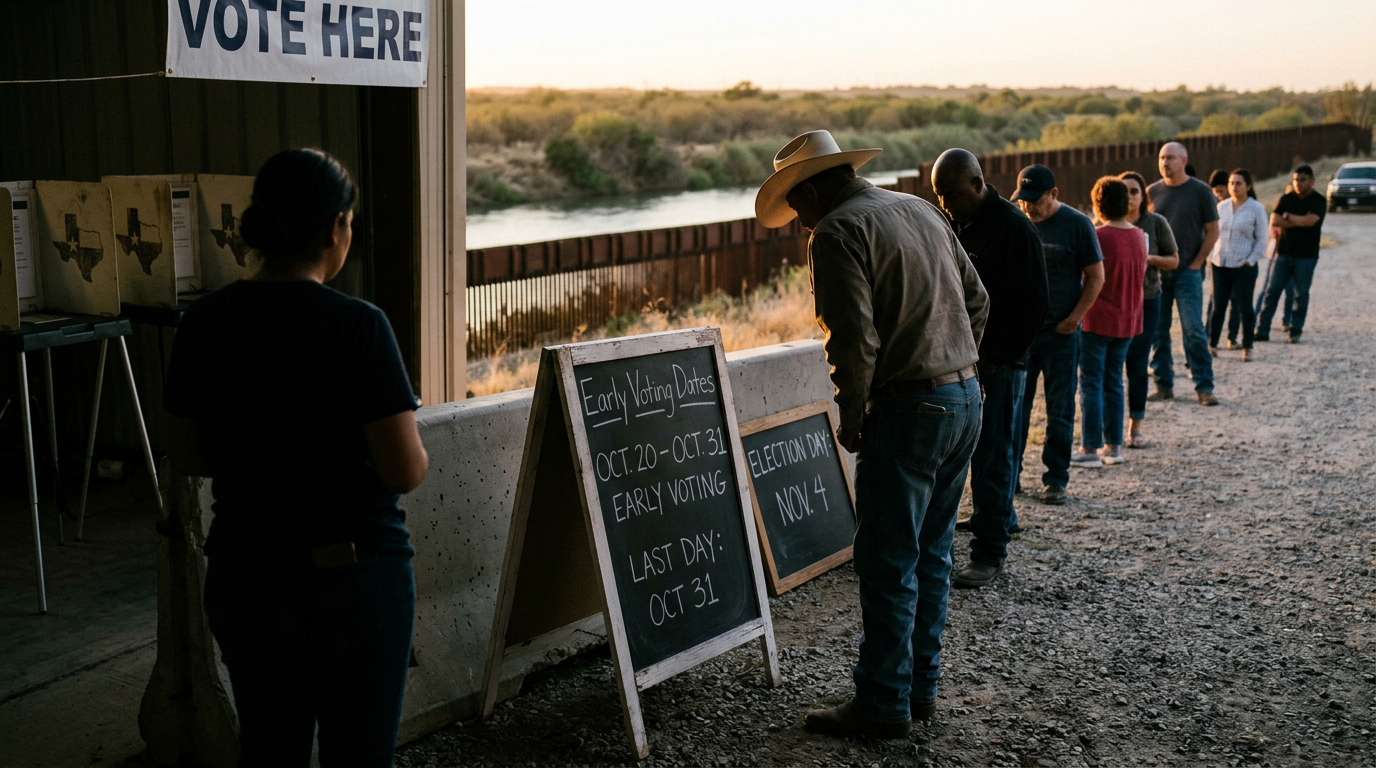
Texas Secretary of State Jane Nelson has officially notified the public regarding the commencement of the early voting period for the upcoming November 4 election cycle. According to the Secretary’s office, the window for in-person early voting is scheduled to open on Monday, October 20, and will continue through Friday, October 31. This twelve-day period provides a critical opportunity for registered voters across Texas to cast their ballots before Election Day, potentially avoiding long lines and scheduling conflicts that often occur on the final Tuesday of the cycle. Nelson emphasized the importance of planning ahead to ensure that every eligible citizen is able to participate in the democratic process. Historically, Texas has utilized early voting periods to manage the high volume of participants in state and federal elections. Previous legislative sessions have refined these windows to ensure consistency across the state's 254 counties. This year’s early voting timeframe follows the established statutory requirements that mandate at least two weeks of early accessibility for general elections. By providing these reminders, the Secretary of State’s office aims to streamline the voting process and reduce administrative pressure on county election officials during the peak hours of Election Day. Voters are encouraged to verify their registration status well in advance of arriving at a polling station to ensure a smooth check-in process.
Texas relevance
This news is directly relevant to every registered voter in the state of Texas, from the Rio Grande Valley to the Panhandle. Texas election law dictates specific hours and locations for early voting, which are managed at the county level but overseen by the Secretary of State. Understanding these dates is vital for residents in high-growth areas like North Texas and the Houston metroplex, where early voting has become the preferred method for many citizens seeking to bypass the congestion of November 4. Additionally, Texas voters must adhere to specific state-mandated photo identification requirements, making these reminders from the Secretary essential for legal compliance at the polls.
The Logistical Importance of the October 20 Start Date
The decision to start early voting on October 20 is rooted in Texas Election Code, which seeks to provide a balanced approach to voter access. During this period, polling locations are often open for extended hours, including weekends in many larger counties. This flexibility is particularly important for Texas's massive workforce, which includes millions of individuals working in shifts or commuting long distances. By opening the polls early, the state allows for a more orderly collection of ballots, which assists election workers in processing totals more efficiently once the polls close on election night.
Furthermore, the October 20 start allows for the identification and resolution of any technical or logistical issues before the final rush of Election Day. If a specific county experiences equipment malfunctions or staffing shortages, the early voting window provides a buffer to address these challenges. This period also allows for a more deliberate pace of voting, which can help elderly voters or those requiring mobility assistance to navigate the polling environment with less stress and shorter wait times.
Understanding Voter ID and Documentation Requirements
As Texans prepare for the October 20 start date, Secretary Nelson reminds the public that the state's photo identification law remains in full effect. Seven acceptable forms of photo ID are currently recognized at Texas polls, including a Texas driver’s license, a Texas personal identification card, or a U.S. passport. Voters who do not possess one of these forms of identification and cannot reasonably obtain one may be eligible to fill out a Reasonable Impediment Declaration and provide a supporting form of ID such as a utility bill or bank statement.
Maintaining the integrity of the ballot box is a top priority for the Secretary of State's office. Election officials are trained to verify that the name on the identification closely matches the name on the official list of registered voters. While minor variations are usually acceptable, Nelson encourages voters to ensure their documents are up to date. This rigor ensures that the person casting the ballot is indeed the registered individual, a standard that Texas has strictly upheld since the implementation of more robust voter identification measures over a decade ago.
County-Level Coordination and Polling Locations
While the Secretary of State sets the parameters for the election, the actual execution of early voting is a localized effort. Each of the 254 counties in Texas is responsible for designating specific early voting sites, which may differ from the locations used on Election Day. Voters in urban areas like Dallas, Tarrant, or Harris County typically have access to dozens of early voting sites, while smaller rural counties may have fewer centrally located hubs. It is critical for residents to check their specific county’s election website for a list of available addresses.
Many Texas counties also participate in the Countywide Polling Place Program. This allows voters to cast their ballot at any polling location within their county of residence during the early voting period and, in many cases, on Election Day as well. This system was designed to increase convenience for commuters who may live in one part of a county and work in another. Secretary Nelson’s office continues to work with local administrators to ensure that these sites are properly equipped and staffed to handle the anticipated turnout starting October 20.
Security Protocols for Early Voting Ballots
Texas employs several layers of security to protect early voting ballots before they are officially tallied. Unlike mail-in ballots, which undergo a separate signature verification process, in-person early voting ballots are recorded on secure, non-networked electronic machines or marked on paper and fed into secure scanners. These machines are tested for accuracy both before and after the election period through a process known as 'Logic and Accuracy' testing, which is open to public observation.
Once a voter submits their ballot during the early voting period, the data is stored securely and is not tabulated until the evening of Election Day. Physical security is also a high priority; ballots and equipment are stored in locked, monitored facilities when the polls are closed at night. These protocols are designed to prevent unauthorized access and ensure that every legal vote is counted exactly as it was cast. Secretary Nelson’s reminders serve to reassure the public that the system is built on a foundation of transparency and verification.
The Impact of Early Voting Trends in Texas
In recent election cycles, Texas has seen a significant shift toward early voting. Data suggests that a majority of the total vote count is now often recorded before the actual Election Day arrives. This trend reflects a changing culture among the Texas electorate, where voters value the certainty and convenience of the early window. For political observers, the early voting totals provide an initial glimpse into turnout rates, though the results themselves remain sealed until the close of polls on November 4.
The Secretary of State's emphasis on the October 31 deadline is also a warning against procrastination. In several past elections, the final two days of early voting have seen higher traffic than Election Day itself. By educating the public on the October 20 opening, the state hopes to encourage a 'vote early, vote often' mentality—in terms of participation frequency across different cycles—while ensuring that the surge of voters is manageable for the thousands of volunteers and officials working the polls across the state.
Resources for First-Time Texas Voters
For those who have recently moved to Texas or have just reached the legal voting age, the Secretary of State provides a wealth of resources through the official 'VoteTexas.gov' portal. This website serves as a clearinghouse for information regarding what to expect at the polls, how to use the voting machines, and what rights voters have under the law. First-time voters are often surprised to learn that cell phone use is prohibited within 100 feet of a polling station, a measure intended to protect the privacy of the ballot and prevent distractions.
Secretary Nelson frequently highlights the role of the 'Poll Watcher' and 'Election Judge' in maintaining order. All voters are entitled to a fair and quiet environment in which to make their selections. By reviewing these resources before October 20, new Texas residents can ensure they are fully prepared to participate in their local and state government. The state's commitment to voter education is a cornerstone of Nelson’s tenure, aiming to remove confusion and replace it with clear, actionable facts for the citizenry.
Analysis
The push for early voting awareness reflects a broader effort by Texas leadership to maintain election integrity while ensuring accessibility. By highlighting the October 20 start date, the Secretary of State is attempting to distribute the 'voter load' more evenly across the calendar. Critics and proponents of Texas election laws often debate the length of these periods, but the current two-week window remains the standard for state-wide participation. Nelson's proactive communication serves as a institutional buffer against misinformation, providing a singular, official source for logistical data during a high-stakes election season.
Source attribution
This story was reported using a public release from the Texas Secretary of State. Keep TX Red rewrote the coverage independently and links to the official statement for verification.
Frequently Asked Questions
- What are the hours for early voting in my Texas county?
- Early voting hours vary by county. Larger counties are often required to provide at least 12 hours of voting per day during the second week of early voting. You should check your official county elections website for a specific schedule of hours and locations.
- Can I vote early at any location?
- In many Texas counties, you can vote at any early voting site within your county of residence. However, this varies by county, so it is important to confirm 'Countywide Polling' status with your local elections administrator before heading to the polls.
- What if I don't have a photo ID on the list?
- If you do not possess and cannot reasonably obtain one of the seven approved photo IDs, you may still vote by signing a Reasonable Impediment Declaration and providing a supporting document, such as a certified birth certificate, current utility bill, or bank statement.
- When is the last day to register to vote for this election?
- The deadline to register to vote in Texas is typically 30 days before Election Day. For the November 4 election, that deadline has already passed; you must have been registered by then to participate in the early voting window starting October 20.
- Is it too late to request a mail-in ballot?
- Texas has strict eligibility requirements for voting by mail, such as being 65 or older, disabled, or out of the county. Applications for a ballot by mail must be received by the early voting clerk in your county by the deadline, which is usually 11 days before Election Day.
Official Sources
Take the next step
Browse the Newsroom →Read more about Keep Texas Red → Our full guide to what Keep Texas Red means and why Texans support it.
Get Texas updates delivered weekly.
Independent Texas reporting on politics, policy, and daily life. One email a week. Unsubscribe anytime.
Keep TX Red Newsroom
The Keep Texas Red Editorial Staff produces nonpartisan explainers, policy breakdowns, and educational resources to help Texans understand how their government works. All content is reviewed for accuracy and updated regularly.
About Keep TX Red →