Texas voter registration: Oct. 6 is final deadline for elections
Texas Secretary of State Jane Nelson reminds eligible citizens that the registration cutoff for the November 4 election is fast approaching.
Editorial disclaimer: Opinions and analysis on Keep TX Red are editorial content — not statements of fact. See our editorial standards.
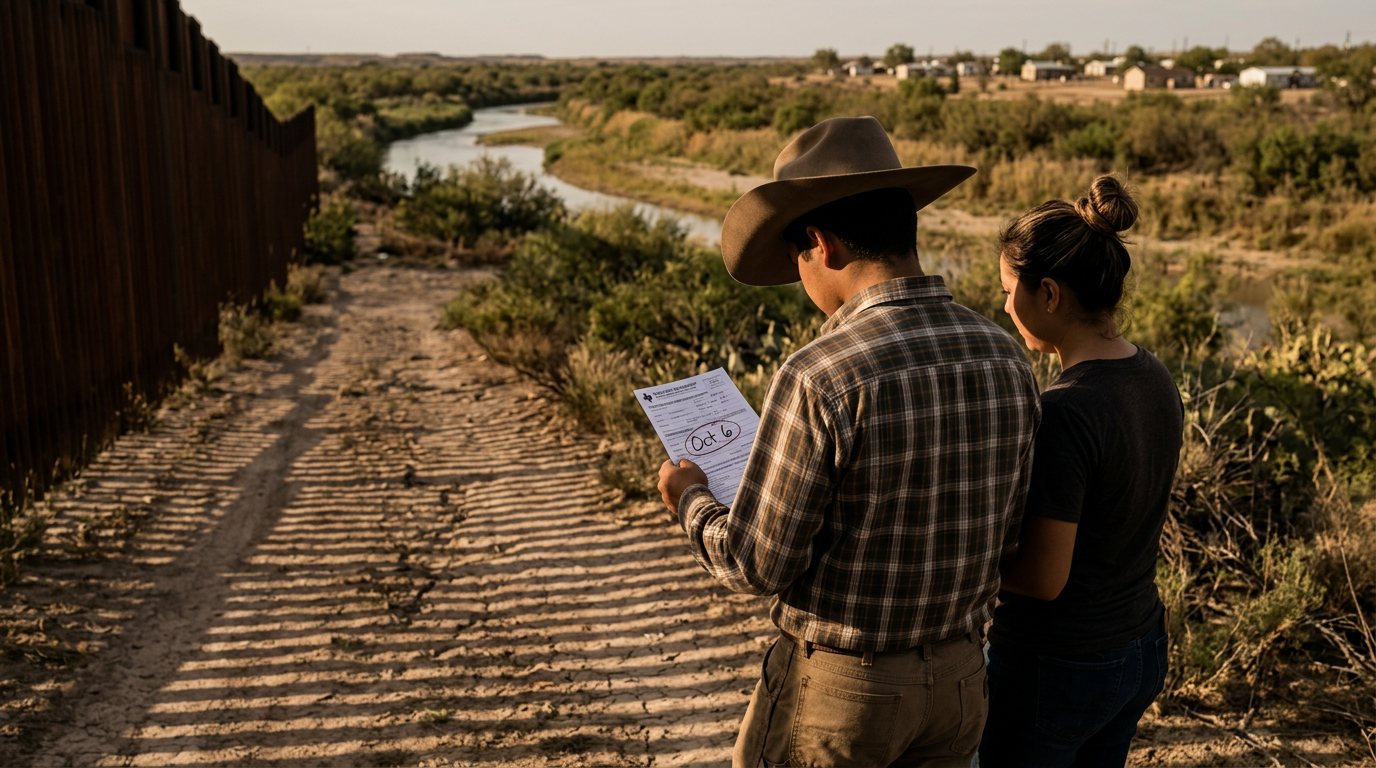
Secretary of State Jane Nelson has issued a formal reminder to the residents of the Lone Star State regarding the critical deadline for the upcoming general election. According to the Secretary’s office, individuals wishing to participate in the November 4 election must ensure their voter registration is active and processed by October 6. This deadline is a mandatory requirement under state law, ensuring that county officials have sufficient time to prepare poll books and verify the eligibility of the electorate before early voting begins. Historically, Texas maintains a firm 30-day cutoff point prior to any election day, a policy designed to maintain the integrity of the voter rolls and provide administrative clarity for the 254 distinct county election offices across the state. To be eligible to vote in Texas, an individual must be a citizen of the United States, a resident of the county where they are applying, and at least 18 years of age on the day of the election. Secretary Nelson emphasized that participating in the democratic process begins with this administrative step. The office is encouraging all residents who have recently moved, changed their names, or reached the age of majority to verify their status immediately. Because Texas does not currently offer online voter registration for all citizens, the process often requires a physical signature and a mailed application, making the October 6 postmark or hand-delivery date a hard limit for those seeking to cast a ballot this fall.
Texas relevance
This directive directly impacts millions of potential voters in Texas, from the growing metropolitan hubs of Houston and Dallas to the rural stretches of West Texas. Since Texas is one of the states that does not allow same-day registration or universal online registration, the October 6 cutoff is a definitive barrier for anyone who misses the window. For residents in the Rio Grande Valley or the Panhandle, local county tax assessor-collectors serve as the primary registrars, and these offices often experience a significant surge in volume as the deadline nears. The Secretary’s reminder serves as a statewide synchronization effort to ensure that local jurisdictions are not overwhelmed and that voters are not disenfranchised by simple clerical delays.
Verifying Your Registration Status
Before the October 6 deadline, the Secretary of State’s office recommends that every Texan use the 'Am I Registered?' portal available on the official state website. This tool allows voters to check their current status using their Voter Unique Identifier (VUID), Texas Driver’s License number, or basic personal details. Discrepancies often arise when voters relocate and fail to update their address, which can lead to complications at the polling place if they are no longer in the correct precinct.
It is particularly important for college students and military personnel to confirm where they are registered. Texas law allows students to register at either their home address or their school address, provided they consider the latter their primary residence. However, they cannot be registered in two places simultaneously. Checking this status before the cutoff prevents the need for provisional ballots, which take longer to process and verify after the polls close.
If a voter finds that their information is incorrect, they must submit an updated registration form to their county’s voter registrar. This process must be completed by the same October 6 deadline as a brand-new registration. Even if a voter has a valid registration card, a change of residence across county lines necessitates a completely new registration in the new county of residence.
The Physical Registration Requirement
One of the most common misconceptions among new Texas residents is that they can register to vote entirely online. While the state allows for digital updates to registration for those renewing their driver’s licenses through the Department of Public Safety, most new registrations require a physical paper application. These forms must be hand-signed and either delivered to the county registrar's office or mailed with a postmark no later than October 6.
Postage-paid applications are widely available across the state at public buildings such as libraries, post offices, and high schools. Additionally, many government offices, including the Texas Health and Human Services Commission and the Texas Workforce Commission, are required to offer voter registration opportunities to their clients. Despite these various points of access, the ultimate responsibility for ensuring the form is submitted on time rests with the voter.
The Secretary of State’s office also works with volunteer deputy registrars (VDRs) who are trained and certified to collect and deliver applications on behalf of citizens. These volunteers are a common sight at community events and festivals leading up to the deadline. VDRs must submit the applications they collect within five days, but they are also bound by the final October 6 cutoff, making early submission even more vital for those relying on a third party.
Eligibility and Residence Requirements
To successfully register by the deadline, applicants must meet specific legal criteria set forth in the Texas Election Code. Beyond the standard age and citizenship requirements, individuals must not be a convicted felon—unless their sentence, including any term of incarceration, parole, supervision, or probation is fully completed. Furthermore, an applicant must not have been declared by a court exercising probate jurisdiction to be totally mentally incapacitated or partially mentally incapacitated without the right to vote.
Residence is defined in Texas as the place where a person lives and to which they intend to return after any absence. This definition is crucial for the registration process, as it determines which local races a voter is eligible to participate in. For the November 4 election, this includes not just statewide and federal seats, but also crucial local school board positions, municipal bond elections, and county-level judicial races.
Voters who are unsure of their eligibility or who face unique circumstances, such as high-security confidentiality programs for survivors of domestic violence, should contact their local county registrar or the Secretary of State’s office directly. There are specialized programs, such as the Address Confidentiality Program (ACP), that allow these individuals to register and vote while keeping their physical address off the public voter rolls.
Preparing for Early Voting and Election Day
Successfully registering by October 6 is the first step in a multi-stage process. Once registered, voters should begin preparing for the early voting period, which typically starts mid-October. Texas offers a generous early voting window, allowing citizens to cast their ballots at any polling location within their county of residence. This flexibility is a hallmark of the Texas voting system, intended to reduce lines on the actual Election Day.
During both early voting and on November 4, voters will be required to present one of seven acceptable forms of photo identification. These include a Texas Driver’s License, a Texas Election Identification Certificate, a Texas Personal Identification Card, a Texas Handgun License, a U.S. Military Identification Card, a U.S. Citizenship Certificate with a photo, or a U.S. Passport. If a voter does not possess one of these and cannot reasonably obtain one, they may fill out a Reasonable Impediment Declaration and provide a supporting form of ID such as a birth certificate or utility bill.
Secretary Nelson’s office has emphasized that the registration deadline is the pulse-check for the state's election readiness. By ensuring that the voter rolls are finalized over a month in advance, counties can allocate resources effectively, ensuring that high-growth areas have enough voting machines and poll workers to accommodate the expected turnout. This planning phase is essential for maintaining the security and efficiency that Texas voters have come to expect from their state government.
Historical Context of Texas Voter Laws
Texas has a long history of maintaining strict registration timelines that date back decades. The 30-day rule is a cornerstone of the state's administrative philosophy, rooted in the belief that an orderly election requires a fixed period of preparation. In previous legislative sessions, there have been various calls to adjust this window, but the Texas Legislature has consistently upheld the October deadline for November general elections as the gold standard for state security.
The role of the Secretary of State as the Chief Election Officer was further clarified and strengthened through recent legislative updates. Jane Nelson, as the first woman to serve as the longest-tenured member of the Texas Senate before her appointment, brings a legislative perspective to the office. Her focus on deadline reminders is part of a broader transparency initiative aimed at educating the public and reducing the number of rejected applications due to late submission.
The state’s approach also involves significant coordination with the Department of Information Resources and other agencies to protect the voter database from external threats. By closing the registration window 30 days out, the state creates a 'frozen' data set that can be audited and secured before the first ballots are cast. This secondary benefit of the October 6 deadline is often overlooked but remains a critical component of the state's election infrastructure.
Analysis
From a policy perspective, the Secretary’s reminder reinforces the state's established commitment to a structured election cycle. Critics often argue that a 30-day deadline is too restrictive compared to states with same-day registration, but Texas leadership maintains that these windows are essential for preventing fraud and ensuring that every vote is cast by a legitimate, verified resident. By publicizing the deadline early, Jane Nelson is effectively shifting the responsibility to the individual citizen, highlighting a 'use it or lose it' approach to the franchise. This move is consistent with the state's broader effort to streamline election administration while sticking to traditional security protocols that require physical documentation of residency and identity.
Source attribution
This story was reported using a public release from the Texas Secretary of State. Keep TX Red rewrote the coverage independently and links to the official statement for verification.
Frequently Asked Questions
- What happens if I miss the October 6 deadline?
- If your application is not postmarked or hand-delivered by October 6, you will not be eligible to vote in the November 4 election. You will, however, be registered for future elections that take place after your application is eventually processed.
- Can I register to vote online in Texas?
- Texas does not have universal online voter registration. You can only update your address online if you are renewing your driver’s license through the DPS website. Otherwise, you must print, sign, and mail a paper application.
- I just moved to a new county; do I need to register again?
- Yes. If you move to a different county, you must submit a new voter registration application for your new county of residence by the October 6 deadline to be eligible to vote in the upcoming election.
- What ID is required to register?
- When filling out the registration form, you should provide your Texas Driver’s License or Personal ID number. If you have neither, you must provide the last four digits of your Social Security number. If you have none of these, you must check a box indicating that you have no such identification.
Official Sources
Take the next step
Browse the Newsroom →Read more about Keep Texas Red → Our full guide to what Keep Texas Red means and why Texans support it.
Get Texas updates delivered weekly.
Independent Texas reporting on politics, policy, and daily life. One email a week. Unsubscribe anytime.
Keep TX Red Newsroom
The Keep Texas Red Editorial Staff produces nonpartisan explainers, policy breakdowns, and educational resources to help Texans understand how their government works. All content is reviewed for accuracy and updated regularly.
About Keep TX Red →