Texas Election Security: Secretary Nelson Reinforces Protocols Before Exit
Texas Secretary of State Jane Nelson provides a high-level update on election integrity measures as her tenure concludes before the November vote.
Editorial disclaimer: Opinions and analysis on Keep TX Red are editorial content — not statements of fact. See our editorial standards.
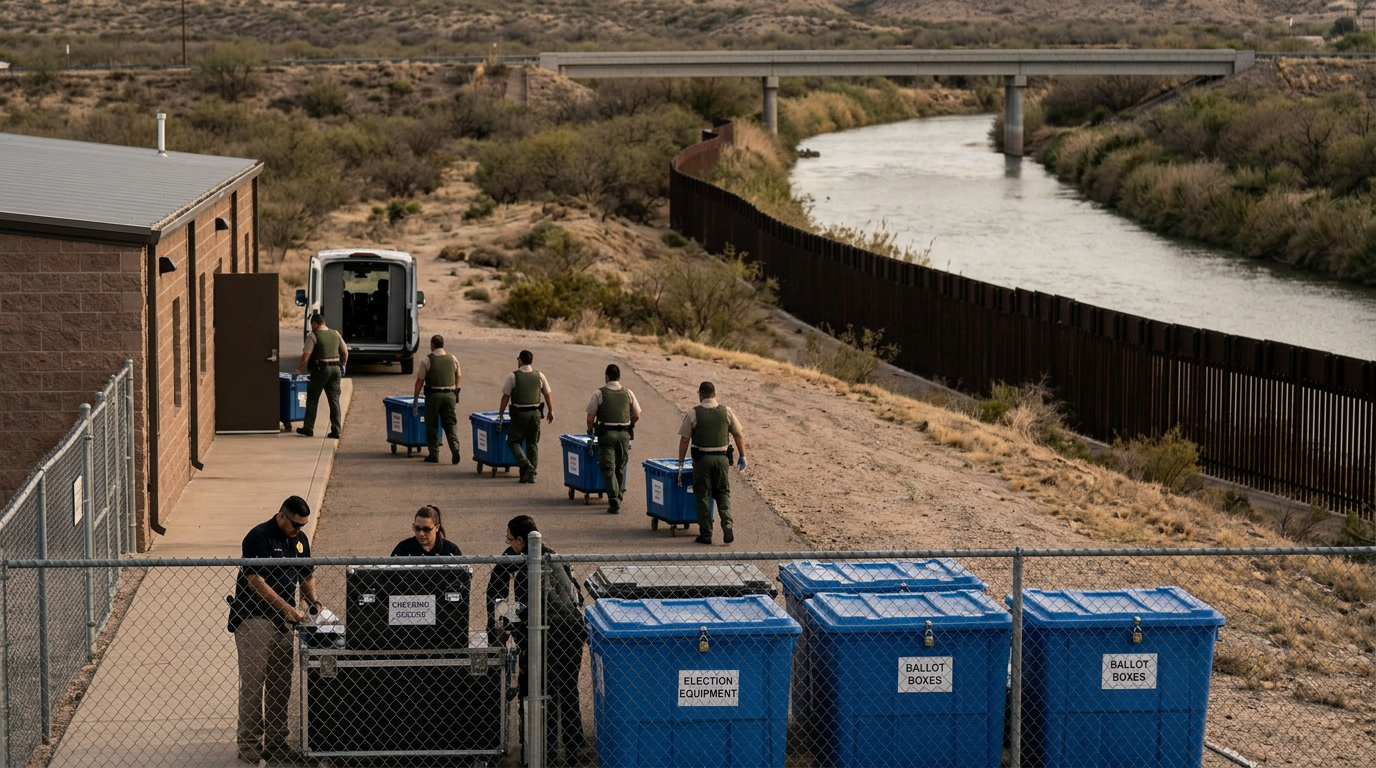
In her final formal update before stepping down from her role as the state’s chief election official, Texas Secretary of State Jane Nelson outlined the current status of election security programs designed to safeguard the upcoming November general election. This farewell briefing serves as a comprehensive report on the progress made during her administration, specifically focusing on the implementation of newer legislative requirements passed by the Texas Legislature in recent cycles. Historically, the Texas Secretary of State’s office has acted as a primary conduit between the Governor's executive priorities and the 254 county clerks who manage local voting cycles. Nelson's departure marks a transition period at a critical juncture when election systems are under more scrutiny than ever before. Prior to Nelson taking office, the state had embarked on a decade-long journey to modernize voter rolls and ensure that only eligible citizens participate in the electoral process. Her administration has been characterized by a strict adherence to Senate Bill 1 and other reforms aimed at making it harder to cheat but easier to vote for lawful residents. The departing Secretary emphasized that the groundwork laid over the past two years has created a more resilient infrastructure for the state, including enhanced training for poll watchers and rigorous testing of electronic ballot markers. As she prepares to exit, the office maintains that the security posture of the state remains at a high readiness level.
Texas relevance
The security of Texas elections is a foundational priority for every resident from the Panhandle down to the Rio Grande Valley. Since 2021, Texas has been a national leader in passing election integrity laws that require specific oversight from the Secretary of State’s office, meaning Nelson’s updates directly impact how local officials in Austin, Houston, and Dallas handle voter identification and mail-in ballot verification. The administrative success of these programs determines the speed and accuracy of results for millions of Texas voters who expect their voice to be recorded without interference. This transition occurs as counties are currently finalizing their logistics for the November cycle, making the Secretary’s final directives essential for local compliance and taxpayer confidence.
Strengthening the Voter Roll Audit Process
A cornerstone of the Nelson administration has been the systematic auditing of Texas voter registration lists. Texas law now mandates a rotating audit of several counties during each election cycle to ensure that local officials are following state mandates regarding list maintenance. This process involves cross-referencing state records with federal databases and the Department of Public Safety to verify citizenship status and residency.
During her update, the Secretary noted that these audits have become more sophisticated, moving from manual checks to integrated digital systems that catch discrepancies in real-time. By maintaining a clean database, the state reduces the risk of fraudulent ballots being cast in the names of individuals no longer eligible to vote in Texas. This initiative has been a major focus for legislative leaders who prioritized the removal of ineligible names to prevent administrative bloat in the rolls.
Furthermore, the office has increased cooperation with other states through data-sharing agreements. While some states have moved away from centralized databases, Texas has doubled down on internal verification methods to ensure that its data remains sovereign and accurate according to the specific statutes of the Texas Election Code.
Technological Security and Equipment Certification
Texas requires all voting machines to undergo rigorous 'logic and accuracy' testing before any election can begin. Nelson’s final update brings attention to the fact that all equipment used in the upcoming November election has met the highest standards of state certification, which are notably stricter than federal voluntary guidelines. This includes ensuring that no voting equipment in the state is connected to the internet, a move designed to thwart remote hacking attempts.
The Secretary of State's office also oversees the training of county-level technical staff who operate these machines. In recent months, the office has conducted workshops across the state to prepare for high-turnout scenarios. By standardizing the technical response to equipment failures or software glitches, the state aims to avoid the long lines and delays that have plagued other large states in recent years.
Additionally, the state has refined the process for chain-of-custody documentation. Every ballot box and flash drive used to transport tallies must be tracked with a paper trail that can be verified during a post-election audit. This physical security layer complements the digital protections, creating a dual-track system of accountability that Nelson highlighted as as a major achievement of her term.
Training Poll Watchers and Election Judges
One of the more contentious but vital updates involves the training modules for partisan poll watchers and non-partisan election judges. Under Nelson’s leadership, the Secretary of State’s office developed an online certification program that is now mandatory for anyone wishing to serve as a watcher. This ensures that all participants understand their rights and, more importantly, the legal limits of their actions inside a polling location.
The goal of this standardized training is to reduce friction at polling sites. By clearly defining what constitutes 'obstruction' versus 'legal observation,' the Nelson administration has sought to professionalize the oversight process. This move protects the rights of the voters to cast their ballots in peace while allowing the observers to ensure that the law is being followed to the letter.
Election judges have also received updated handbooks that reflect recent changes in the law regarding voter identification. These judges are the first line of defense against fraud, and the Secretary’s office has emphasized the importance of consistent application of ID requirements across all 254 Texas counties to prevent legal challenges based on disparate treatment.
Cybersecurity Defenses and Threat Intelligence
In a modern era where foreign actors frequently target state infrastructure, the Texas Secretary of State’s office has significantly increased its cybersecurity budget. Nelson’s update touched on the coordination between her office and the Texas Department of Information Resources. This partnership ensures that the state's election servers are protected by the same level of security used by high-level state agencies and financial institutions.
Texas has implemented multi-factor authentication for all election-related administrative access and has conducted penetration testing to identify potential vulnerabilities in the state’s reporting portal. While the actual counting of votes is done offline at the local level, the reporting of those totals to the state is a critical window that requires maximum protection.
The Secretary also noted that her office remains in constant communication with federal partners, including CISA and the FBI, to monitor for emerging threats. This 'shield's up' approach is intended to provide the public with the assurance that their government is proactively defending the digital perimeter of the democratic process.
The Legacy of Secretary Jane Nelson
Secretary Nelson, a former state senator with a reputation for meticulous policy work, took the helm of the office during a time of significant transition. Her tenure has been defined by a focus on transparency and the 'rule of law.' Unlike some of her predecessors who faced confirmation hurdles, Nelson brought a sense of institutional stability to the office, drawing on her decades of experience in the Texas Legislature.
Her final week in office is not just about a security update; it is about cementing a legacy of administrative competence. By leaving the office with fully functioning and vetted election programs, she provides her successor with a clear roadmap. Her departure is seen by many in the state capital as the end of a chapter where Texas successfully navigated the post-2020 reforms without the chaos predicted by political opponents.
Looking forward, the infrastructure she built will be tested by the high-volume environment of a November general election. However, the Secretary expressed confidence that the systems are robust enough to handle the pressure. The focus remains on the primary mission: ensuring that every legal vote in Texas counts and that no illegal votes undermine the will of the people.
Analysis
Jane Nelson’s departure comes at a pivot point for the Texas GOP and the broader electorate. By utilizing her final week to spotlight election security, the outgoing Secretary is reinforcing the narrative that Texas has moved beyond the administrative inconsistencies seen in previous decades. Critics often argue that increased security measures create barriers, but Nelson’s tenure suggests a focus on procedural uniformity—ensuring that a voter in a rural county has the exact same security protections as one in a major metropolitan hub. Her focus on 'key programs' likely refers to the ongoing cleaning of voter rolls, a process that removes deceased persons and those who have moved out of state, which remains a primary goal for conservative election advocates. This exit report serves as a 'status of the state' that her successor will be expected to maintain or exceed.
Source attribution
This story was reported using a public release from the Texas Secretary of State. Keep TX Red rewrote the coverage independently and links to the official statement for verification.
Frequently Asked Questions
- What is the primary role of the Texas Secretary of State during an election?
- The Secretary of State serves as the Chief Election Officer for Texas. The role involves overseeing voter registration, providing guidance to local election officials in all 254 counties, and ensuring that all election laws are applied consistently throughout the state.
- Why is Secretary Nelson leaving her position now?
- Secretary Nelson is concluding her scheduled term as she transitions out of her role during her final week in office. It is standard for gubernatorial appointees to have set tenures, and she is providing a final update to ensure a smooth transition for the next official.
- Are Texas voting machines vulnerable to internet hacking?
- No. Per Texas law and the Secretary of State's certification standards, voting machines used to cast and count ballots are not allowed to be connected to the internet. This air-gapped system is designed specifically to prevent remote tampering.
- How does the state ensure that only citizens are on the voter rolls?
- The Secretary of State’s office regularly cross-references the list of registered voters with data from the Department of Public Safety (DPS) regarding citizenship status, as well as Social Security administration records to remove individuals who are deceased or no longer eligible.
Official Sources
Take the next step
Browse the Newsroom →Read more about Keep Texas Red → Our full guide to what Keep Texas Red means and why Texans support it.
Get Texas updates delivered weekly.
Independent Texas reporting on politics, policy, and daily life. One email a week. Unsubscribe anytime.
Keep TX Red Newsroom
The Keep Texas Red Editorial Staff produces nonpartisan explainers, policy breakdowns, and educational resources to help Texans understand how their government works. All content is reviewed for accuracy and updated regularly.
About Keep TX Red →