Houston Texans Defensive Identity: Dominating the Trenches
Explore the evolution of the Houston Texans defense, focusing on the elite front seven, a physical secondary, and the high-energy coaching philosophy defining this new era of football.
Editorial disclaimer: Opinions and analysis on Keep TX Red are editorial content — not statements of fact. See our editorial standards.
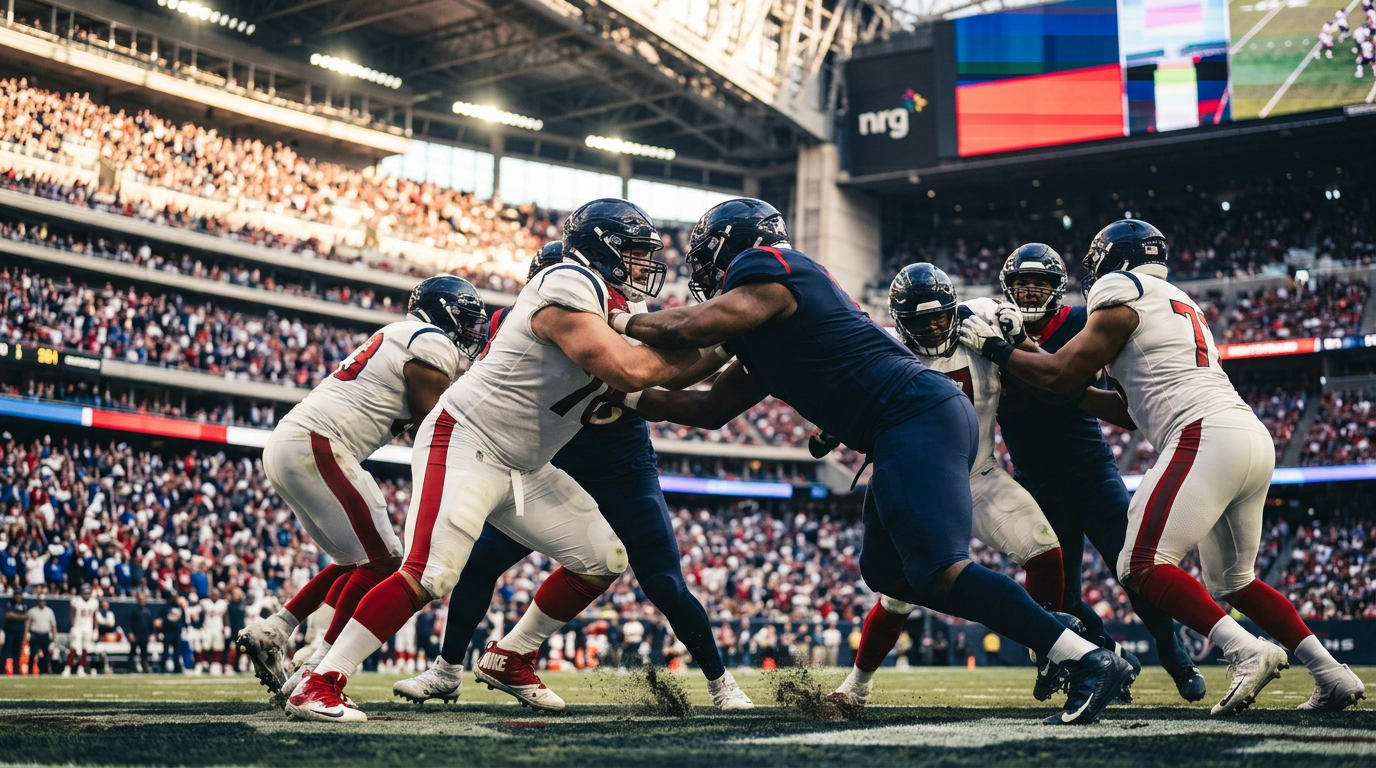
The identity of football in Houston has long been defined by grit and a relentless pursuit of greatness. For the Houston Texans, that pursuit begins on the defensive side of the ball, where a newfound energy has revitalized a fan base used to hard-hitting AFC South rivalries. The current defensive philosophy hinges on a blend of explosive speed and disciplined positioning, creating a unit that seeks to dictate the pace of every game. At NRG Stadium, the atmosphere is electric when the defense takes the field, reflecting a community that values a 'no-fly zone' secondary and a front seven that can collapse any pocket.
Watching the Texans evolve over recent seasons provides a blueprint for how a franchise can reconstruct its soul through defensive investment. It is not just about the stats or the final scores; it is about the philosophy of 'The H'—houston's own brand of football that emphasizes collective effort over individual glory. As the team continues to develop its roster, the focus remains on finding versatile athletes who can adapt to the modern NFL’s high-powered offenses while maintaining the traditional toughness that Texas football is known for. This overview delves into the layers of that defensive structure, from the trenches to the deep secondary.
Since the inception of the franchise, defense has often been the heartbeat of Houston's most successful campaigns. Whether it was the era of dominant pass rushers from the past or the current movement toward a more holistic, scheme-driven approach, the Texans have consistently aimed to be the most physical team on the gridiron. The coaching staff has prioritized a 'swarm' mentality, ensuring that multiple defenders are present at the point of contact on every play. This dedication to fundamentals, paired with aggressive play-calling, has positioned the Texans as a formidable roadblock for any opponent traveling to the Space City.
The Engine Room: Building the Front Seven
The success of any Houston Texans defensive unit begins in the trenches. The front seven is designed to be the primary disruptor, utilizing a mix of homegrown talent and strategic acquisitions to control the line of scrimmage. In the modern game, the ability to stop the run while simultaneously pressuring the quarterback is the ultimate goal, and the Texans have invested heavily in both the interior defensive line and the edge rushing positions to achieve this balance. The focus is on explosive first steps and hand-fighting techniques that allow linemen to shed blocks and create havoc in the backfield.
Linebacker play in Houston has also seen a significant shift toward versatility. The contemporary Texans linebacker is expected to be as comfortable in pass coverage as they are in the 'A-gap' blitz. By recruiting players with high football IQs and lateral quickness, the coaching staff has created a bridge between the defensive line and the secondary. This allows the front seven to disguise their intentions until the last second, forcing opposing quarterbacks to make split-second decisions under extreme pressure. The result is a unit that feels suffocating from the snap to the whistle.
The depth of the front seven is a point of pride for the organization. Recognizing the grueling nature of an NFL season, the Texans utilize a heavy rotation of personnel to keep their pass rushers fresh for the fourth quarter. This 'next man up' mentality ensures that there is no drop-off in intensity when the starters take a breather. It is this relentless pursuit that wears down opposing offensive lines over the course of sixty minutes, often leading to crucial turnovers or sacks in high-leverage situations.
- Emphasis on a high motor and pursuit speed across all three linebacker spots.
- Interior defensive tackles tasked with eating up double teams to free up edge rushers.
- Hybrid edge defenders who can drop into coverage or rush the passer with equal efficiency.
Secondary Stability and Playmaking Prowess
While the front seven provides the pressure, the Texans secondary is tasked with the daunting challenge of neutralizing some of the league's most prolific passing attacks. The philosophy in the back end is rooted in communication and 'eye discipline.' Houston's safeties act as the quarterbacks of the defense, aligning teammates and ensuring that there are no blown coverages in the deep third of the field. This level of synchronization is vital in a division where vertical threats are common and mistakes are punished instantly.
The cornerbacks in Houston are selected for their length and ability to excel in both man-to-man and zone schemes. Coaches emphasize a 'press-bail' technique that disrupts the timing of wide receivers at the line of scrimmage while keeping the secondary in a position to help on over-the-top routes. This physicality at the line of sight is a hallmark of the Texans' defensive identity, making every yard a hard-earned gain for the opposition. The focus on forcing turnovers—whether through interceptions or peanut-punch fumbles—remains a top priority during every practice session.
In recent seasons, the integration of young, high-ceiling prospects in the secondary has provided a spark of athleticism that was missing in previous years. These players are encouraged to trust their instincts and attack the ball in flight. The synergy between the pass rush and the secondary is the ultimate goal; when the front four forces a hurried throw, the secondary is positioned to capitalize. This collaborative approach has turned the Texans' defensive backfield into a cohesive unit that thrives on high-pressure moments.
- Prioritizing 'ball-hawk' safeties who can cover ground from sideline to sideline.
- Developing physical cornerbacks capable of shutting down 'X' receivers in isolation.
- Constant drill work focused on situational awareness and third-down efficiency.
Coaching Philosophy: The Swarm Mentality
The current coaching regime has breathed new life into the Texans' defensive halls by implementing what many call the 'Swarm Mentality.' This isn't just a catchy slogan; it is a tactical requirement for every player who wears the jersey. The coaches demand that every defender, regardless of their position, pursues the ball carrier with maximum effort until the play is dead. This high-energy approach is designed to intimidate opponents and create a culture of accountability where no player wants to be the one seen loafing on film.
Beyond the energy, the X's and O's of the Texans' defense are characterized by aggressive flexibility. The coaching staff is known for tailoring game plans to the specific weaknesses of their weekly opponents. This might mean deploying a heavy blitz package against a rookie quarterback or shifting into a conservative 'shell' against a deep-threat offense. The ability of the coaching staff to teach these complex adjustments to the roster is a testament to the high-level communication established within the facility.
Mental toughness is perhaps the most critical attribute the coaching staff looks for. In a sport of momentum swings, the Texans' defensive leaders are taught to maintain a 'neutral' mindset—not getting too high after a takeaway or too low after giving up a score. This professional approach to the game allows the unit to stay focused during the closing minutes of a tight game, which is often where the best defenses in the league separate themselves from the rest. The coaching staff acts as the catalyst for this resilience.
- Film study sessions that emphasize player accountability and technical precision.
- A focus on 'Special Teams' parity, ensuring defensive depth translates to all phases of the game.
- Incentivizing takeaway production through competitive practice tracking.
Roster Construction and the Draft Pipeline
The Houston Texans' front office has been methodical in how they build the defensive roster, favoring a mix of draft equity and veteran leadership. By scouting players who fit specific physical profiles—such as wingspan for linemen and 40-yard dash times for the secondary—the team ensures that the scheme is always populated by athletes who can execute the vision. The draft has become the lifeblood of the defense, with early-round picks often stepping into starting roles and providing the youthful exuberance needed to sustain a high-speed system.
Veteran presence is equally vital, serving as the 'glue' that holds the locker room together. These experienced players act as on-field coaches, helping the younger generation navigate the nuances of NFL offenses and the rigors of a professional lifestyle. This mentorship program is an underrated aspect of the Texans' success, as it accelerates the learning curve for rookies and ensures that the defensive standards are passed down year after year. The balance between 'young legs' and 'old heads' is what makes the Houston roster a difficult puzzle for opponents to solve.
Future-proofing the roster is a continuous process. The Texans are known for their active participation in the talent market, always looking for under-valued players who might thrive in a change of scenery. This proactive approach to roster management keeps the competition high at every position group. It sends a clear message to the squad: no spot is guaranteed, and the best eleven players who demonstrate the most consistency and heart will be the ones representing Houston on Sundays.
- Systematic scouting that prioritizes 'football character' and locker room fit.
- Strategic use of free agency to fill immediate gaps without compromising long-term salary cap health.
- Continuous investment in defensive line depth to combat the high-tempo offenses of the AFC.
The Impact of the Houston Fanbase
Playing defense in Houston is as much about the fans as it is about the scheme. The crowd at NRG Stadium is notoriously loud, particularly when the opponent is facing a third-and-long situation. This 'home-field advantage' is a weapon that the Texans' defense uses to their benefit. Noise makes it incredibly difficult for visiting quarterbacks to communicate audibles or snap counts, often leading to false starts or delayed reactions. The players frequently cite the energy of the 'Battle Red' faithful as a primary motivator for their high-intensity play style.
The connection between the city and its defensive stars is deep-rooted. Houstonians have historically gravitated toward the 'blue-collar' defenders who do the dirty work in the trenches. This mutual respect creates a unique environment where the defense feels they are playing for the city's pride as much as for their own careers. When the defense makes a goal-line stand, the rumble inside the stadium is a physical manifestation of that bond. It is a true symbiotic relationship where the fans' passion fuels the players' performance.
Community engagement away from the stadium also plays a role in the team's identity. Many of the defensive leaders are active in Houston-based charities and youth programs, reinforcing the idea that being a Texan is about more than just what happens between the white lines. This off-field presence endears the players to the public, making the wins more celebratory and the losses more deeply felt. For the Texans' defense, every tackle is a tribute to the resilient spirit of the city they call home.
- The 'Bull Pen' section driving stadium noise levels to peak decibels during defensive rotations.
- Traditions like the 'Battle Red' games that unify fans and players in a sea of team colors.
- Player-led initiatives that connect the roster with the diverse communities of Greater Houston.
Looking Ahead: Sustaining Defensive Excellence
The trajectory for the Houston Texans defense is one of upward mobility. As the younger core of the roster enters their prime, the expectations for the unit continue to rise. The goal is no longer just to be competitive, but to be the statistical and physical benchmark for the entire league. This requires a commitment to innovation, as the NFL is a 'copycat league' where offenses are constantly looking for ways to exploit defensive tendencies. Houston's staff must stay ahead of the curve by evolving their packages and personnel usages.
Injuries and roster turnover are the unavoidable realities of professional football, but the Texans have built a foundation designed to withstand these challenges. By prioritizing depth and versatility, they have created a 'plug-and-play' environment where an injury to a starter doesn't derail the entire season. This long-term stability is the hallmark of a premier franchise. Fans can expect to see a unit that remains aggressive, disciplined, and fundamentally sound regardless of who is in the lineup, as the culture is now bigger than any single individual.
Ultimately, the story of the Houston Texans defense is one of transformation and tradition. It is a story of a team reclaiming its identity as a defensive powerhouse in the heart of Texas. Through meticulous coaching, strategic roster building, and an unwavering connection to their fans, the Texans are cementing their place as a team that no one wants to see on their schedule. As the games get bigger and the stakes get higher, the defense will be the unit that determines the ceiling for this storied franchise in the years to come.
- Leveraging advanced analytics to refine defensive positioning and play-calling tendencies.
- Continued focus on the AFC South rivalry, where physical defensive play often decides the division winner.
- Building a legacy of defensive stars that will one day be enshrined in the Ring of Honor.
Frequently Asked Questions
- What is the primary defensive scheme used by the Houston Texans?
- The Texans generally employ a base 4-3 defensive alignment that emphasizes an 'attack' style. This means the defensive linemen are encouraged to penetrate gaps rather than just 'catching' blockers, allowing the linebackers to flow to the ball and make plays in space.
- How do the Texans prepare for high-powered passing offenses?
- Preparation involves a mix of heavy film study and specific practice periods dedicated to 'situational football.' The coaching staff emphasizes disguise in the secondary, often showing one look before the snap and rotating into a different coverage right as the ball is snapped to confuse the quarterback.
- Why is the front seven considered the soul of the Texans' defense?
- The front seven sets the tone for the entire team's physicality. By stopping the run and pressuring the quarterback with just four rushers, the Texans can commit more players to coverage, making them much harder to beat. The intensity starts in the trenches.
- What role does the 'Swarm' philosophy play on game day?
- The Swarm philosophy translates to 'effort over everything.' On game day, this looks like eleven players running to the ball on every single snap. This high level of hustle often leads to tipped passes, recovered fumbles, and an overall sense of fatigue for the opposing offense.
- Where can I watch the Houston Texans play their home games?
- The Texans play at NRG Stadium in Houston, Texas. It is a premier venue known for its retractable roof and incredible atmosphere, especially when the crowd gets involved during defensive stands.
Official Sources
Take the next step
Browse the Newsroom →Read more about Keep Texas Red → Our full guide to what Keep Texas Red means and why Texans support it.
Get Texas updates delivered weekly.
Independent Texas reporting on politics, policy, and daily life. One email a week. Unsubscribe anytime.
Keep TX Red Sports Desk
Texas sports & culture
The Keep TX Red Sports Desk covers the teams and leagues that shape Texas identity — the NFL's Cowboys and Texans, MLB's Rangers and Astros, the NBA's Spurs, Mavericks, and Rockets, plus the Friday-night high-school football culture that defines fall in the Lone Star State.
More from Keep TX Red Sports Desk →