Houston Rockets Outlook: Navigating the Tough Southwest Division
Discover how the Houston Rockets are leveraging their young core and coaching philosophy to climb the rankings in the hyper-competitive NBA Southwest Division this season.
Editorial disclaimer: Opinions and analysis on Keep TX Red are editorial content — not statements of fact. See our editorial standards.
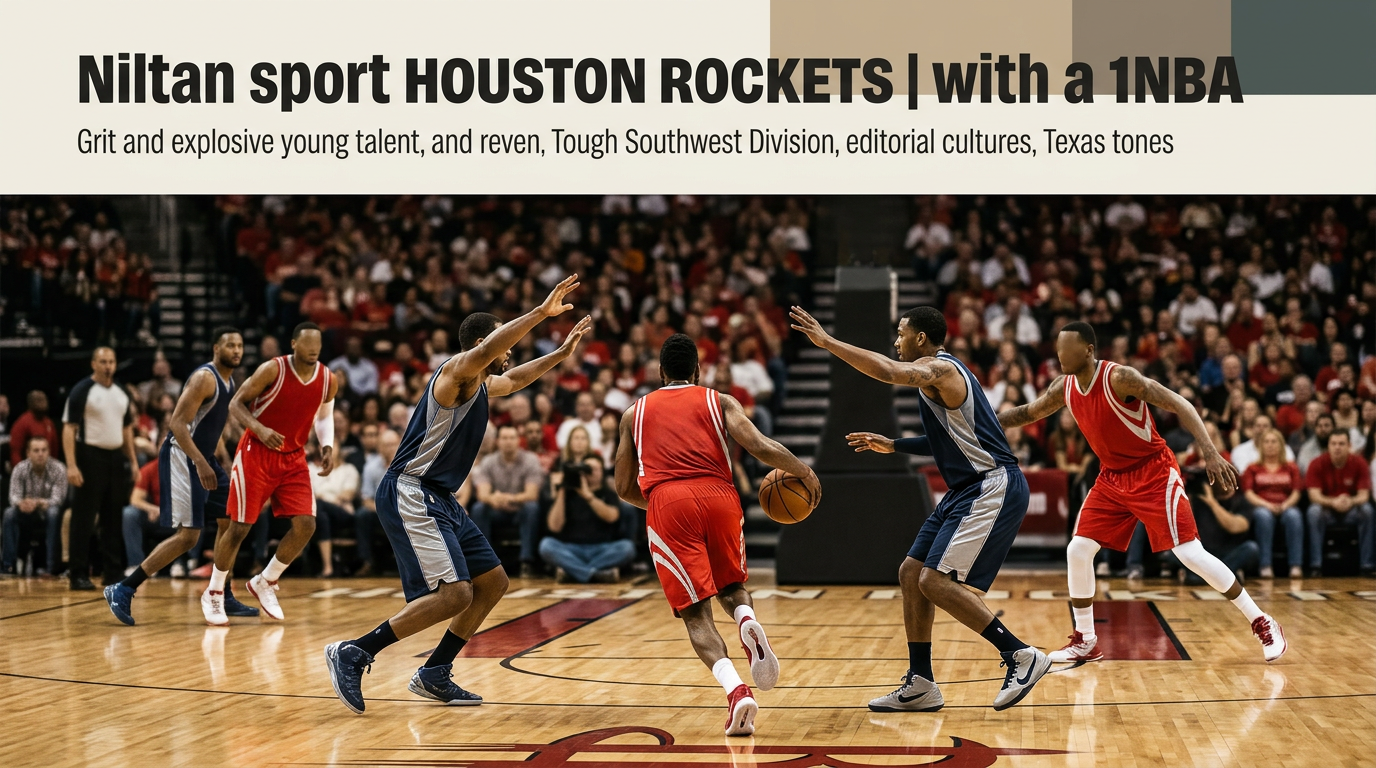
In the heart of Texas, the Houston Rockets are forging a new identity that honors their back-to-back championship legacy while pivoting toward a future built on defensive grit and explosive young talent. As members of the Southwest Division—arguably one of the most physically demanding and talent-rich subgroups in the NBA—the Rockets face a gauntlet of divisional rivals that test their mettle nearly every week. This isn't just about winning games; it’s about establishing a culture that can survive the long-term grind of professional basketball in the Western Conference.
The landscape of Houston basketball has shifted dramatically in recent seasons. After a period of transition and asset accumulation, the organization has entered a phase of intentional growth. Fans heading to the Toyota Center are no longer looking for moral victories; they are looking for the cohesive unit that can disrupt the status quo of more established contenders. The Southwest Division, featuring powerhouses from Dallas to Memphis, requires a team to be versatile, and the Rockets are answering that call with a roster that emphasizes length, speed, and high-energy play.
To understand where the Rockets are going, one must understand the environment they inhabit. The Southwest Division isn't just a geographic designation; it is a battleground where defensive schemes are tested and superstars are made. For a Houston team looking to reclaim its spot atop the Texas basketball hierarchy, the path to a high seed in the playoffs runs directly through their local neighbors. Every divisional matchup carries extra weight, influencing tiebreakers and seeding in a conference where the margins for error are razor-thin.
The Strategic Philosophy of Ime Udoka
Since the arrival of Ime Udoka as head coach, the Houston Rockets have undergone a fundamental shift in their approach to the game. At the core of this philosophy is a commitment to elite-level defense. Udoka, known for his no-nonsense style and insistence on accountability, has challenged the young roster to value every possession. This defensive-first mentality is designed to frustrate opponents early and create transition opportunities where the Rockets' speed can shine. By prioritizing stops, Houston has transformed from a high-scoring but vulnerable squad into a team that can compete in low-scoring, physical affairs.
On the offensive side of the ball, the strategy revolves around ball movement and maximizing the unique skill sets of their primary playmakers. Unlike previous eras that relied heavily on isolation plays, the current Rockets system emphasizes multiple touches and finding the open man. This approach relies on the high basketball IQ of the frontcourt to facilitate plays from the elbow, allowing guards to capitalize on off-ball screens and cuts. It is a modern, fluid offensive scheme that keeps defenses guessing and leverages the team's depth.
The coaching staff also places a heavy emphasis on player development within the system. Instead of molding players to fit a rigid box, Udoka and his assistants have shown a willingness to adapt the scheme to highlight individual strengths. This flexibility has been crucial in building confidence among the younger players, ensuring that even as they learn the nuances of professional defense, they still have the freedom to express their creativity on the offensive end.
Building Around a Dynamic Young Core
The focal point of the Houston Rockets' future is undoubtedly their collection of high-lottery talent. Jalen Green represents the explosive scoring potential the team needs to close out games, possessing the speed to blow past defenders and the verticality to finish at the rim. His development into a more consistent all-around player remains a central storyline for fans. Alongside him, Alperen Sengun has emerged as a creative force in the paint, often drawing comparisons to elite passing big men for his vision and footwork. Sengun’s ability to act as a hub for the offense provides a dimension that most divisional rivals struggle to neutralize.
Complementing these primary threats are players like Jabari Smith Jr. and Amen Thompson, who provide the defensive versatility necessary to compete in the Southwest Division. Smith Jr. offers the length and shooting stroke to stretch the floor, while Thompson brings an elite athletic profile and playmaking ability that can disrupt passing lanes and spark fast breaks. This core group represents the foundation of the organization, and their chemistry is the primary metric by which the team's success is measured during this era.
What makes this core unique is how their skills overlap and support one another. The defensive intensity of the younger wings allows the primary scorers to take more risks, while the rebounding prowess of the frontcourt ensures that the Rockets can control the tempo of the game. For Houston fans, watching this group grow together provides a sense of continuity that is often rare in today's NBA, fostering a deep connection between the team and the city.
The Southwest Division Gauntlet
Competing in the Southwest Division means facing some of the brightest stars and best-coached teams in the league. From the perennial contention of the Dallas Mavericks to the grit-and-grind culture and rising stars of the Memphis Grizzlies and San Antonio Spurs, the Rockets are constantly tested. Each of these teams offers a different tactical challenge. Dallas often leans on superstar-driven isolation and shooting, whereas Memphis brings a physical, defensive tenacity that mirrors Houston's own aspirations. Staying competitive in this division requires a team to be a 'chameleon,' capable of winning in various styles.
The New Orleans Pelicans and the San Antonio Spurs further complicate the divisional landscape. New Orleans often brings a mix of size and veteran savvy, while San Antonio’s legendary system and emerging generational talent keep them as a constant threat to any team that lacks discipline. For the Rockets, these divisional games are more than just four contests a year; they are benchmarks. Outperforming these regional rivals is the first step toward reclaiming national relevance and securing a top-six spot in the Western Conference.
To succeed in the Southwest, the Rockets have focused on building a roster with 'switchability.' Modern NBA offense thrives on creating mismatches through screens, but Houston's long-limbed defenders are designed to nullify those advantages. By having multiple players who can guard positions one through four, the Rockets are better equipped to handle the diverse offensive threats found within their division. This tactical edge is what the front office hopes will eventually flip the script on their divisional record.
Veteran Leadership and Roster Balance
While the youth movement provides the excitement, the Rockets recognized that a successful rebuild requires veteran ballast. The addition of experienced leaders has been instrumental in instilling a professional winning culture. These veterans serve as on-court coaches, helping the younger players navigate the complexities of late-game situations and the rigors of a 10-month season. Their presence in the locker room ensures that the team remains steady through the inevitable winning and losing streaks that define an NBA campaign.
Roster balance is another key component of the Rockets' strategy. By mixing explosive young talent with steady, defensive-minded veterans, the team ensures they have the right lineup for any situation. Whether they need a lockdown defensive unit to preserve a lead or a floor-spacing offensive group to mount a comeback, Udoka has a variety of tools at his disposal. This depth is particularly important during the grueling stretches of the schedule when injuries and fatigue can take a toll.
The impact of these veterans extends to the practice facility as well. High-intensity practices led by players who have had success in the playoffs help set a standard for preparation. For a young Rockets squad, learning 'how to be a pro' is just as important as learning the playbook. This mentorship phase is a bridge between the rebuilding years and the objective of becoming a persistent threat in the postseason.
Fan Identity and the Toyota Center Experience
Houston fans are among the most knowledgeable and passionate in the country, with a history that includes the 'Clutch City' era of the 1990s. The Toyota Center serves as the modern cathedral for this fandom, offering an environment that is both high-tech and grounded in tradition. As the team has improved, the energy in the arena has reached new heights, with the 'Red Rowdies' leading the charge in creating an intimidating home-court advantage. For the Rockets, the support of the local community is a vital component of their rebuild.
The team's identity is deeply intertwined with the city of Houston itself—diverse, resilient, and forward-thinking. This is reflected in the team's marketing and community outreach, which emphasizes the 'H-Town' brand. When the Rockets take the floor, they aren't just representing a franchise; they are representing a metropolis that values hard work and ambition. This synergy between the fans and the team creates a feedback loop where the players' effort on the court is rewarded with a fervent, loyal following.
Attending a Rockets game offers more than just basketball; it is a cultural event. From the local food options within the arena to the heritage nights that celebrate Houston's diverse population, the Rockets have made the Toyota Center a gathering place for all. As the team continues to climb the standings, the excitement surrounding the franchise is palpable, making every home game a significant event on the Houston sports calendar.
The Road Ahead: Goals and Expectations
Looking forward, the goal for the Houston Rockets is clear: return to the postseason and stay there. However, the organization is taking a measured approach, focusing on incremental improvements rather than shortcuts. This means prioritizing the development of their young stars and refining their defensive identity. Success is measured not just in wins and losses, but in the growth of chemistry and the ability to execute under pressure. The Rockets want to build a sustainable winner that can compete for years to come.
The schedule ahead features several key stretches that will define the team's trajectory. Matchups against top-tier Western Conference opponents provide the perfect opportunity for the Rockets to test their defensive schemes and offensive cohesion. Fans can expect a team that plays with high energy every night, regardless of the opponent. This 'never-quit' attitude has become a hallmark of the Udoka era and is a primary reason for the renewed optimism in Houston.
Ultimately, the Rockets are working toward becoming a team that no one wants to face in a seven-game series. By leaning into their youth, prioritizing defense, and leveraging the experience of their veterans, they are laying the groundwork for the next great era of Houston basketball. The Southwest Division may be tough, but the Rockets are proving that they are tougher, ready to meet any challenge with the grit and determination that 'Clutch City' fans expect.
- Consistent defensive statistics in the top-half of the league.
- Double-digit growth in season-over-season win totals.
- Developing a distinct 'clutch' identity in close fourth-quarter games.
- Strengthening the home-court advantage at Toyota Center.
- Securing a spot in the postseason or play-in tournament.
Frequently Asked Questions
- Who is the head coach of the Houston Rockets?
- Ime Udoka is the head coach of the Houston Rockets. He was hired for his defensive expertise and his ability to establish a disciplined, winning culture within the locker room.
- What arena do the Houston Rockets play in?
- The Rockets play their home games at the Toyota Center, located in downtown Houston, Texas. It has been the team's home since 2003.
- Which teams are in the NBA Southwest Division?
- The Southwest Division consists of the Houston Rockets, Dallas Mavericks, San Antonio Spurs, Memphis Grizzlies, and New Orleans Pelicans.
- Has the Houston Rockets ever won an NBA Championship?
- Yes, the Houston Rockets won back-to-back NBA Championships in 1994 and 1995, led by Hakeem Olajuwon during the 'Clutch City' era.
- What is the primary focus of the Rockets' current roster building?
- The Rockets are focused on a 'youth-plus-vets' strategy, combining a talented core of high-lottery picks with experienced NBA veterans to create a defensive-minded, versatile team.
- Where can I buy tickets for Houston Rockets games?
- Tickets can be purchased through the official Houston Rockets website, the Toyota Center box office, or authorized secondary market vendors.
Official Sources
Take the next step
Browse the Newsroom →Read more about Keep Texas Red → Our full guide to what Keep Texas Red means and why Texans support it.
Get Texas updates delivered weekly.
Independent Texas reporting on politics, policy, and daily life. One email a week. Unsubscribe anytime.
Keep TX Red Sports Desk
Texas sports & culture
The Keep TX Red Sports Desk covers the teams and leagues that shape Texas identity — the NFL's Cowboys and Texans, MLB's Rangers and Astros, the NBA's Spurs, Mavericks, and Rockets, plus the Friday-night high-school football culture that defines fall in the Lone Star State.
More from Keep TX Red Sports Desk →