Texas Rangers Lineup Power and the Battle for the AL West
Discover how the Texas Rangers leverage a powerhouse lineup and elite coaching to dominate the AL West and defend their reputation as a premier MLB powerhouse in Arlington.
Editorial disclaimer: Opinions and analysis on Keep TX Red are editorial content — not statements of fact. See our editorial standards.
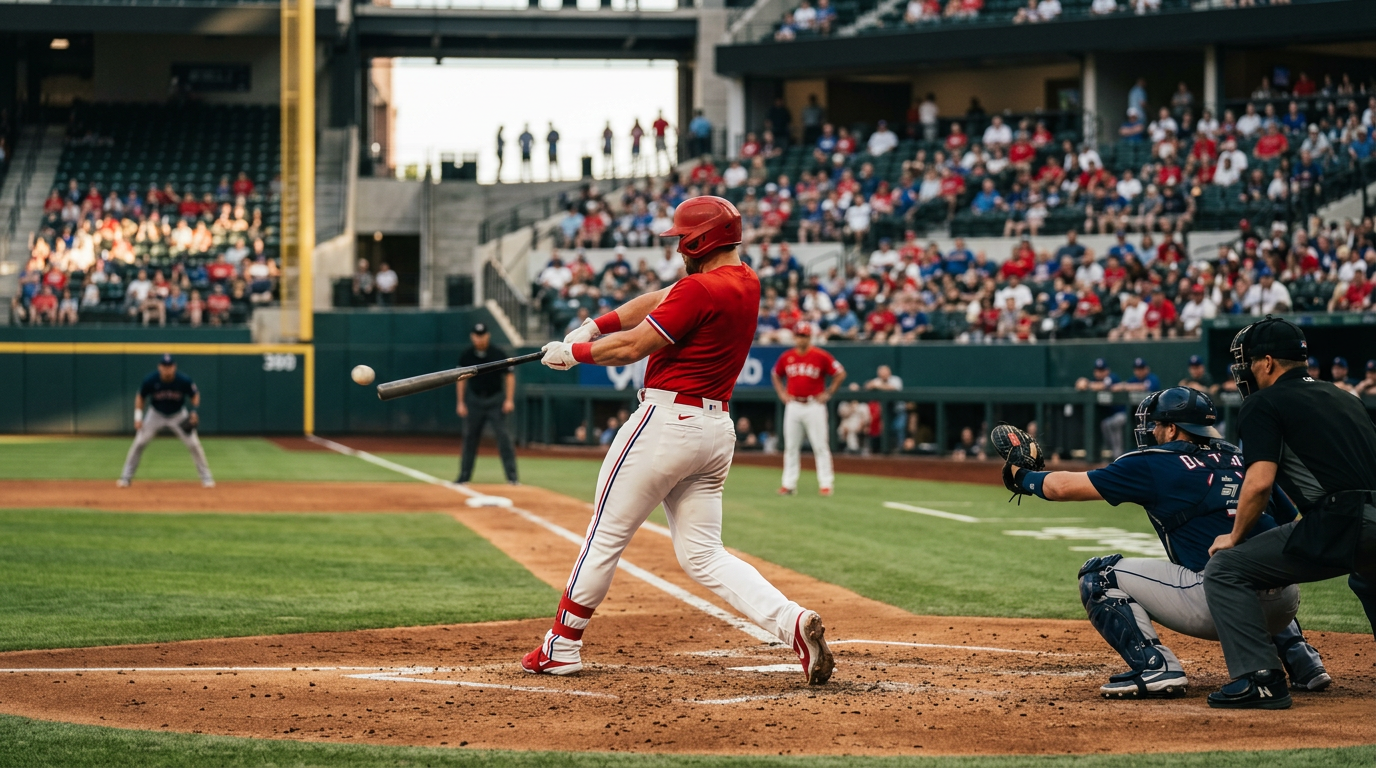
The Texas Rangers have fundamentally redefined what it means to be a powerhouse in the American League West. Once a team defined by high-scoring offenses that struggled to find balance on the mound, the modern era of Rangers baseball is characterized by a sophisticated blend of veteran leadership, tactical brilliance from the dugout, and a farm system that consistently produces high-impact talent. As the team takes the field in the climate-controlled confines of Globe Life Field, the expectations from the North Texas faithful have never been higher.
The journey to becoming a perennial contender in the AL West is no small feat. This division is widely regarded as one of the most competitive in Major League Baseball, featuring deep-pocketed rivals and historic franchises that refuse to yield ground. For the Rangers, success is built on the foundation of a lineup that can explode at any moment. From the top of the order to the bottom of the bench, Texas focuses on professional at-bats, plate discipline, and the ability to drive the ball into the gaps of their spacious home park. This offensive philosophy, coupled with a renewed commitment to pitching depth, has turned Arlington into a destination for championship-caliber baseball.
As we analyze the current landscape of Texas Rangers baseball, it is essential to look beyond the box score. The identity of this team is forged through a culture of excellence established by the front office and executed by one of the most respected coaching staffs in the game. Whether they are defending a lead in the late innings or mounting a comeback under the bright lights, the Rangers play with a resiliency that has become their trademark. This overview explores the components that keep the Rangers at the forefront of the conversation in the American League.
The Strategic Architecture of the Rangers Lineup
The heartbeat of the Texas Rangers is undoubtedly their starting lineup. Built through a combination of aggressive free-agent acquisitions and internal development, the batting order is designed to pressure opposing pitchers from the first pitch of the game. The philosophy is simple yet effective: prioritize contact, maximize extra-base hits, and force the defense to make difficult plays. This approach has allowed the Rangers to stay competitive even when facing the elite rotations found across the AL West.
At the core of this offensive engine are cornerstone stars who provide both stability and explosive potential. The middle of the infield serves as the defensive and offensive anchor of the team. Having perennial All-Stars who can provide Gold Glove-caliber defense while hitting for both average and power creates a ripple effect throughout the rest of the roster. When the top of the order is clicking, it creates favorable matchups for the younger players and role players, allowing them to see better pitches and contribute to the overall run production.
The depth of the Rangers' bench is another factor that often goes overlooked but is vital during the grind of a 162-game season. The ability to utilize platoon advantages and give starters rest without a significant drop-off in production is a luxury that many teams lack. This versatility allows the coaching staff to mix and match based on pitcher handedness and defensive requirements, ensuring that the Rangers always have the best possible chance to win on any given night.
Navigating the Competitive AL West Landscape
Competing in the American League West requires a specific type of mental toughness. The division is home to intense rivalries, particularly the Lone Star Series against the Houston Astros, which has evolved into one of the premier matchups in the sport. These games are more than just entries in the standings; they are battles for regional pride and divisional supremacy. The Rangers understand that to win the West, they must be able to win consistently against their closest neighbors.
Beyond the regional rivalry, the AL West offers a diverse array of challenges, from the coastal environments of Seattle and Anaheim to the unique playing conditions in Oakland. The Rangers' ability to adapt to different ballparks and climates is a testament to their preparation. Winning on the road in the division is often the difference between making the postseason and watching from home. This necessitates a balanced roster that doesn't rely solely on the home-run-friendly environment often associated with Texas baseball.
The fight for the division title is typically a marathon, not a sprint. The Rangers' front office has been vocal about building a sustainable winner rather than a one-year wonder. This involves managing the 40-man roster with an eye toward both current performance and future flexibility. By staying aggressive at the trade deadline and continuing to scout effectively, the Rangers ensure that they remain a factor in the AL West race year after year.
The Impact of Championship Coaching
The arrival of Bruce Bochy as manager marked a turning point in the modern history of the Texas Rangers. A future Hall of Famer with multiple World Series rings, Bochy brought a sense of calm and tactical expertise that immediately resonated in the clubhouse. His leadership style is characterized by a deep trust in his players and an uncanny ability to manage a bullpen during high-leverage situations. Under his guidance, the Rangers have developed a more disciplined approach to the game.
Effective coaching extends beyond the manager’s seat. The Rangers have invested heavily in specialized staff, including hitting coaches who utilize advanced analytics and pitching coaches who focus on biomechanics and pitch design. This data-driven approach allows players to make real-time adjustments and optimize their performance. It is this marriage of old-school baseball intuition and new-school data that makes the Rangers' coaching staff one of the most effective in the league.
The clubhouse culture under the current regime is one of accountability and professionalism. Veterans are expected to lead by example, while younger players are given the tools and confidence to succeed at the highest level. This culture is a significant reason why the Rangers are often cited as a preferred destination for free agents. Players want to be part of an organization where winning is the expectation and the support system is world-class.
Globe Life Field: A Modern Advantage
Since its opening, Globe Life Field has played a pivotal role in the Rangers' success. Moving from an open-air stadium to a retractable-roof facility has eliminated the extreme Texas heat as a factor for both the players and the fans. This climate-controlled environment allows for a consistent playing surface and ensures that the team remains fresh throughout the grueling summer months. The fans, in turn, have responded by turning the stadium into one of the loudest and most energetic venues in MLB.
The dimensions of the park were carefully calibrated to reward good hitting while still providing a fair environment for pitchers. Unlike the previous stadium, which was known for its high-scoring environment, Globe Life Field plays more like a traditional pitcher's park, especially when the roof is closed. This has forced the Rangers to adjust their roster construction, prioritizing defense and gap-to-gap hitting over pure raw power. The field's synthetic turf also impacts the speed of the game, making defensive range and agility more important than ever.
Beyond the game on the field, the stadium is a symbol of the Rangers' commitment to the Arlington community. Situated in the heart of the Entertainment District, it draws fans from across the state and the country. The proximity to other major sports venues and attractions makes a Rangers game part of a larger North Texas experience. This strong local support provides a genuine home-field advantage that the team leans on during critical home stands.
The Importance of Pitching and Defense
While the lineup often grabs the headlines, the Rangers' focus on pitching and defense is what truly sustains their winning ways. Building a reliable starting rotation is a constant priority for the front office. By mixing high-velocity power arms with crafty veterans who know how to navigate a lineup, Texas aims to give their offense a chance to win every game. The evolution of the bullpen has also been a key storyline, with the team seeking versatile relievers who can handle multiple innings or specialize in shutting down specific types of hitters.
Defensively, the Rangers are anchored by an elite infield that minimizes mistakes and turns difficult plays into routine outs. The outfield defense is equally important, particularly in a stadium where balls can carry or die depending on the roof status. Having outfielders with strong arms and the ability to cover significant ground helps keep opposing runners from taking extra bases, which is vital in close divisional games.
The synergy between the pitcher and the catcher is another area where the Rangers excel. The team places a high value on catchers who can frame pitches effectively and manage a game from behind the plate. This “game-calling” ability is a hidden factor in the team’s ERA and overall defensive efficiency. When the pitching staff trusts their battery mate, they can pitch with more aggression and confidence.
Developing the Next Generation of Rangers
The long-term health of the Texas Rangers depends on their ability to scout and develop talent from within. The organization's farm system is a point of pride, consistently ranking among the most productive in the league. By focusing on high-ceiling prospects who fit the organizational philosophy—athleticism, high baseball IQ, and character—the Rangers ensure a steady pipeline of talent to Arlington.
Transitioning from the minor leagues to the majors is a difficult process, and the Rangers have built a comprehensive support system to help young players make that jump. This includes mental skills coaching, nutritional support, and technical instruction. Seeing homegrown players climb the ranks to become contributors at the major league level is a key part of the fan experience and provides the team with low-cost, high-value performance that is necessary in the modern salary cap era.
The Rangers also utilize their minor league depth as a tool for mid-season improvements. When a specific need arises on the major league roster, having a surplus of talent allows the front office to make trades for established veterans without hallowing out the future of the franchise. This balanced approach to roster management keeps the team competitive in the present while maintaining a clear vision for the future.
Fan Engagement and the Spirit of North Texas
The Texas Rangers are more than just a baseball team; they are a cultural institution in North Texas. The fan base is incredibly loyal, sticking with the team through rebuilding phases and celebrating wildly during the peaks of success. This connection is fostered through community outreach, youth baseball programs, and an accessible game-day experience that caters to families and die-hard fans alike.
The excitement surrounding the team is palpable throughout the DFW metroplex. From the "Rangers Captain" mascot to the iconic "Texas Live!" entertainment complex next door, the game-day atmosphere is unmatched. The team’s branding and colors are ubiquitous across the state, signaling a shared identity among millions of Texans. This pride is amplified when the team is in the hunt for a division title, as it brings the community together in a common cause.
Looking ahead, the relationship between the Rangers and their supporters will continue to grow. As the team chases more hardware and looks to add to their trophy case, the fans will be there every step of the way. Whether it’s a Tuesday night in May or a high-stakes playoff game in October, the passion of the Rangers faithful is the fuel that drives the organization forward.
Frequently Asked Questions
- Where do the Texas Rangers play their home games?
- The Texas Rangers play at Globe Life Field in Arlington, Texas. It is a state-of-the-art facility featuring a retractable roof to keep fans and players comfortable in the Texas heat.
- Has the Texas Rangers organization ever won a World Series?
- Yes, the Texas Rangers won their first World Series championship in 2023, defeating the Arizona Diamondbacks in five games. It was a historic moment for the franchise and the city of Arlington.
- Who is the manager of the Texas Rangers?
- The team is currently led by Bruce Bochy, a legendary MLB manager who came out of retirement to lead the Rangers to their first title. He is known for his strategic acumen and veteran leadership.
- How can I buy tickets to a Rangers game?
- Tickets can be purchased through the official Texas Rangers website, the MLB Ballpark app, or at the Globe Life Field box office. Options range from affordable grandstand seats to luxury suites.
- What is the 'Lone Star Series'?
- The Lone Star Series is the name of the rivalry between the Texas Rangers and the Houston Astros. The two teams compete annually for the Silver Boot trophy.
- Which division do the Rangers play in?
- The Texas Rangers are members of the American League West (AL West) division, where they compete against teams like the Astros, Mariners, Angels, and Athletics.
Official Sources
Take the next step
Browse the Newsroom →Read more about Keep Texas Red → Our full guide to what Keep Texas Red means and why Texans support it.
Get Texas updates delivered weekly.
Independent Texas reporting on politics, policy, and daily life. One email a week. Unsubscribe anytime.
Keep TX Red Sports Desk
Texas sports & culture
The Keep TX Red Sports Desk covers the teams and leagues that shape Texas identity — the NFL's Cowboys and Texans, MLB's Rangers and Astros, the NBA's Spurs, Mavericks, and Rockets, plus the Friday-night high-school football culture that defines fall in the Lone Star State.
More from Keep TX Red Sports Desk →