Texas Border Policy Explained: The Full Guide to Operation Lone Star, State Authority & the Rio Grande Fight
The definitive Keep TX Red guide to Texas border policy in Houston, the Rio Grande Valley, and Austin — Operation Lone Star, state vs. federal authority, DPS, the Texas National Guard, and the 1,254-mile Rio Grande line.
Editor's NoteThis is a Keep TX Red pillar guide — updated June 2026 by our Border Bureau. We refresh it as Operation Lone Star deployments, federal litigation, and Rio Grande conditions change.
Reporting is based on the sources and public records cited or linked in this article. Opinion and analysis are labeled and follow our editorial standards.
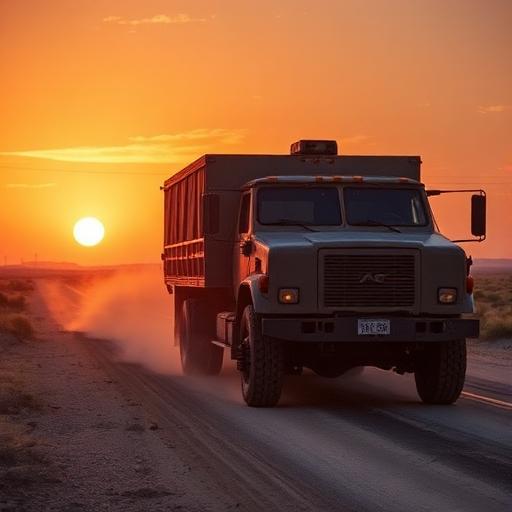
No policy fight defines modern Texas like the border. The 1,254-mile line between Texas and Mexico runs from El Paso along the Rio Grande to the Gulf of Mexico — through ranchland, river towns, federal wildlife refuges, and the four most populous border metros in the United States. Roughly two-thirds of the entire southwest border is Texas alone, and the policy choices made in Austin reach further than most people in Washington understand.
Texas has spent more than $11 billion on state-funded border security since 2021 under Operation Lone Star — a deployment of the Department of Public Safety, the Texas Military Department, and county sheriffs that has fundamentally changed how Texans think about state sovereignty. This pillar guide walks through how it works, who runs it, what the law actually says, and where the policy fight is headed in 2026.
The 1,254-Mile Line: Geography First
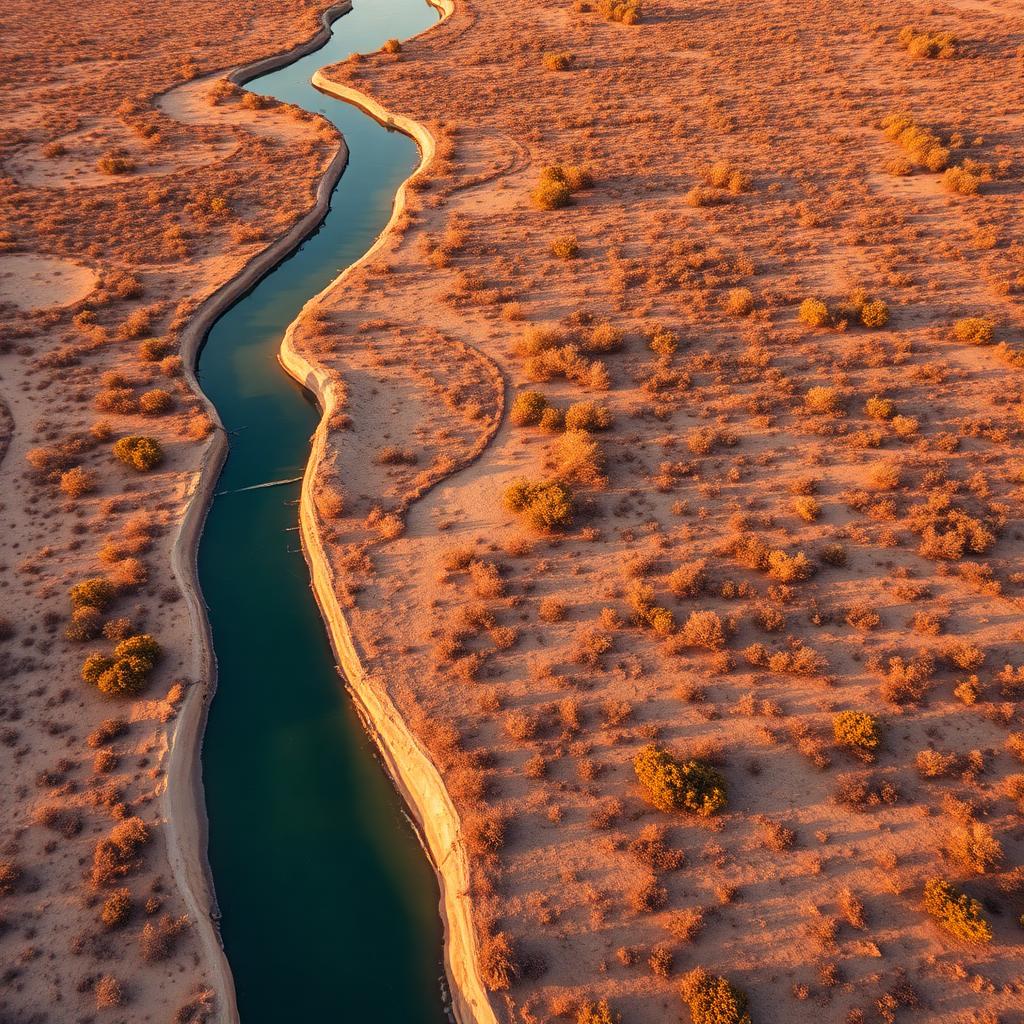
Texas's border with Mexico is not a fence on a map. It is the Rio Grande itself — a winding, often shallow river that doubles as the international boundary from the New Mexico state line at El Paso all the way to the Gulf at Boca Chica. The river passes through nine Border Patrol sub-sectors, 28 international ports of entry, and some of the most rugged country in North America, including the Big Bend, where canyon walls drop a thousand feet into the water.
The four busiest crossing zones are the El Paso sector, the Big Bend sector, the Del Rio sector, and the Rio Grande Valley sector — and they look nothing alike. El Paso is urban, dense, and shares a metroplex with Ciudad Juárez. The RGV is agricultural, hot, and lined with colonias and small river towns. Big Bend is empty. Del Rio is the area where the 2021 Haitian migrant encampment forced a national reckoning.
What Operation Lone Star Actually Is
Operation Lone Star (OLS) is the umbrella name for the state-funded border deployment Governor Greg Abbott launched in March 2021. It is not one agency or one mission — it is a coordinated, ongoing operation that pulls together:
- Texas Department of Public Safety (DPS) — state troopers patrolling river roads, working trafficking interdiction, and arresting trespassers under state law.
- Texas Military Department (TMD) — Army and Air National Guard soldiers and airmen running observation posts, installing concertina wire, and operating boats on the river.
- Texas Parks & Wildlife Game Wardens — water patrol and rural enforcement.
- Local county sheriffs in Kinney, Val Verde, Maverick, Webb, Zapata, Starr, Hidalgo, and Cameron counties.
- The Texas Facilities Commission, which builds and operates the state border wall and the buoy barrier on the Rio Grande near Eagle Pass.
| OLS Statistic (cumulative since March 2021) | Reported Figure |
|---|---|
| Migrant apprehensions / encounters | 550,000+ |
| Criminal arrests | 50,000+ |
| Felony charges filed | 45,000+ |
| Fentanyl seized (lethal doses) | Hundreds of millions |
| State funds appropriated | $11+ billion |
State vs. Federal: The Constitutional Question
Immigration enforcement is constitutionally a federal power. But Texas's argument — articulated by Governor Abbott in his 2024 invocation of Article I, Section 10 of the U.S. Constitution — is that when the federal government refuses to defend a state from an 'invasion,' the state retains a residual sovereign authority to defend itself. That clause reads, in part, that no state shall 'engage in War, unless actually invaded, or in such imminent Danger as will not admit of delay.'
The Biden-era Department of Justice sued Texas repeatedly over the buoy barrier, the concertina wire, and Senate Bill 4 — the 2023 law making illegal entry a state crime. The Fifth Circuit, the Supreme Court's shadow docket, and a series of injunctions ping-ponged the cases. The bottom line as of mid-2026: Texas has retained the buoys, kept most of the wire, and continues to make state-law trespass arrests, while SB4 remains the central legal flashpoint.
The State Border Wall
Texas has built and is building its own physical barrier — separate from the federal wall. The state wall is funded out of OLS appropriations and constructed by the Texas Facilities Commission on land where private owners, the General Land Office, or local governments grant access. Roughly 75 miles of state-funded wall has been constructed across multiple border counties, with hundreds of additional miles planned where rights-of-way can be secured.
The state wall does not require federal cooperation, which is the point. Texas treats it as a long-term capital investment in deterrence.
Senate Bill 4: State Authority to Arrest and Remove
Senate Bill 4, passed in 2023 and signed by Governor Abbott, makes illegal entry into Texas from a foreign nation a state crime — a Class B misdemeanor for a first offense, escalating to a state jail felony for repeat offenses. It authorizes state magistrates to order removal to a Mexican port of entry as an alternative to prosecution.
SB4 is the most aggressive state immigration statute in modern American history. The legal fight over whether Texas can enforce it — and whether it survives federal preemption under Arizona v. United States (2012) — is one of the most important federalism cases of the decade.
Ports of Entry and Trade
Border policy is not just enforcement. The Texas border is also the largest land-trade interface in the Western Hemisphere. The Laredo port of entry — the World Trade Bridge and the Colombia Solidarity Bridge — handles more truck crossings than any other port in the United States, more than $300 billion in trade with Mexico annually. Mexico is the #1 trading partner of both the United States and the state of Texas.
That trade reality is why intelligent border policy distinguishes between the river itself, where unlawful crossings happen, and the ports of entry, where legitimate commerce, work visas, and lawful travel move. Conservative border policy in Texas — at its strongest — has done both: secured the river while keeping the ports moving.
Who Pays for It
Operation Lone Star is paid for out of the Texas General Revenue Fund — appropriated by the Legislature in successive biennia, with the 2023 session alone adding $5.1 billion in border security funding. That is roughly half of what some entire state agencies receive. The political consensus in Austin to keep funding it has held across two regular sessions and multiple special sessions, with bipartisan votes in the Texas House on key border appropriations.
What Comes Next
Three questions will define Texas border policy in 2026 and beyond. First, does the federal government — under any administration — return to operational control of the border, removing Texas's stated justification for OLS? Second, do the courts ultimately uphold or strike down SB4 and similar state-led enforcement? Third, does Texas continue to scale the state wall and buoy systems into a permanent fortified line, or does it draw down once federal posture changes?
Read our companion explainers on Operation Lone Star, the Texas border geography, and the reinforced Rio Grande crossings.
Frequently Asked Questions
- Is Operation Lone Star paid for with federal money?
- No. OLS is funded entirely with Texas state appropriations. Texas has formally requested federal reimbursement and has been denied.
- Can Texas legally arrest people for illegal entry?
- Texas argues yes, under SB4 and its sovereign self-defense authority. The federal government has challenged that position in court, and the litigation is ongoing.
- Does Texas operate its own border wall?
- Yes. The Texas Facilities Commission builds the state wall on private and state land, independent of the federal border wall.
- How many troopers and Guard members are deployed?
- OLS deployments have ranged from 5,000 to over 10,000 personnel at peak, including DPS, the Texas Military Department, and supporting agencies.
- Where does the Texas border actually run?
- From the New Mexico line at El Paso, along the Rio Grande, to the Gulf of Mexico at Boca Chica — 1,254 miles total.
Sources
Take the next step
Contact Your Texas Legislators →Related Articles
Get Texas updates delivered weekly.
Independent Texas reporting on politics, policy, and daily life. One email a week. Unsubscribe anytime.